The Care Protocol

Methods for Different Materials
Heavy wool storage methods

Heavy Wools

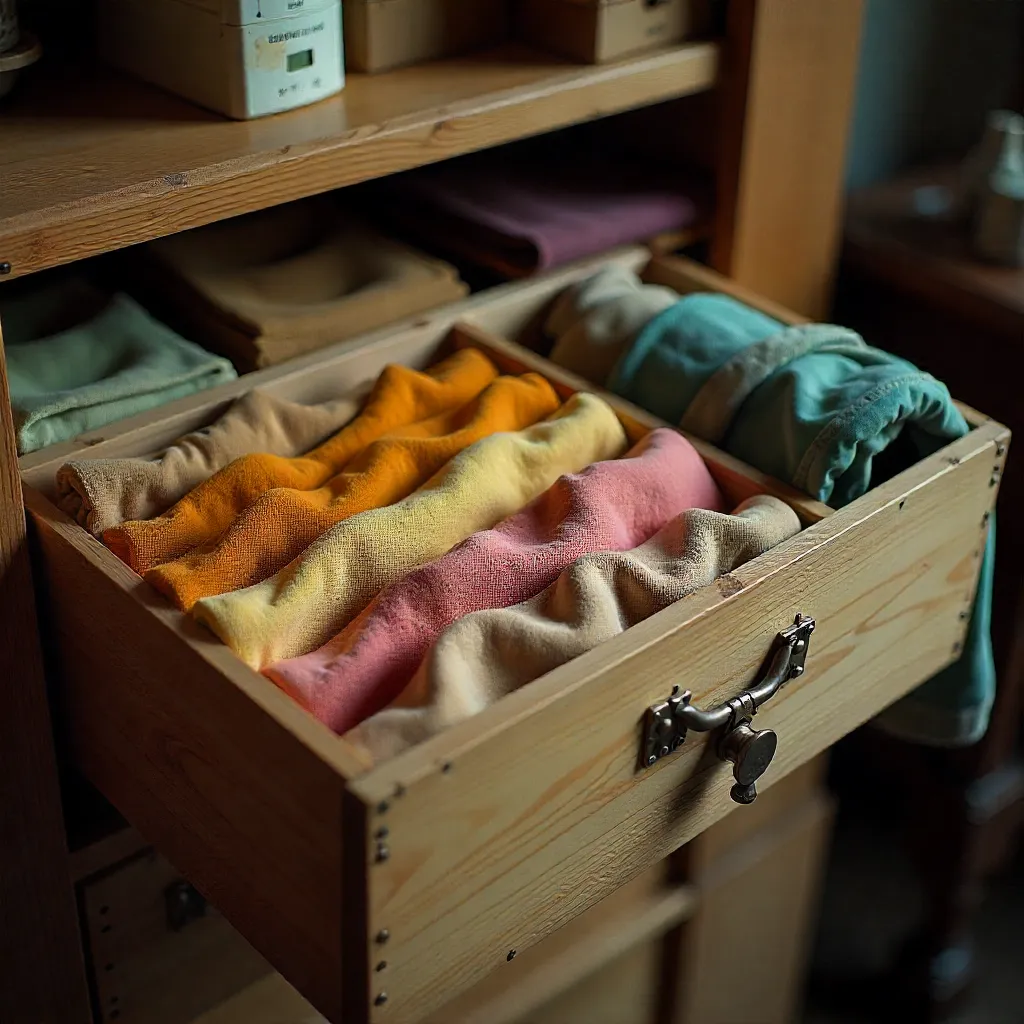
Temperature-neutral folding techniques prevent permanent creasing in wool garments. Items are folded along natural seam lines and placed in breathable storage containers. Cedar-based protection systems are integrated to maintain fabric integrity throughout storage periods.

Folding pattern: shoulder-to-hem alignment, sleeve placement, collar protection, button closure check.
Delicate Fabric Handling

Silk and Fine Material Protocols

Delicate Silks

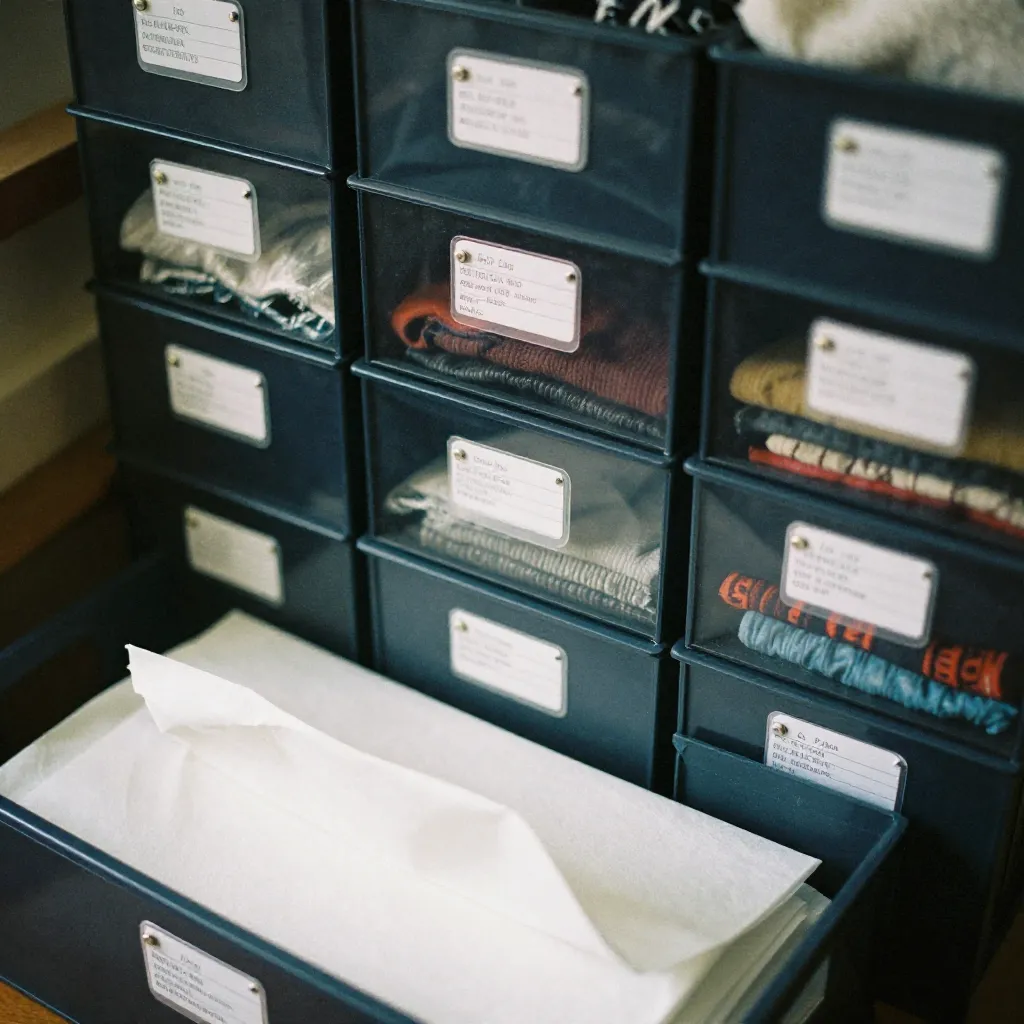
Acid-free tissue wrapping is used to prevent fabric-to-fabric contact and minimize stress on delicate fibers. Each silk garment is individually wrapped and placed in breathable storage containers that allow air circulation while providing protection.

Wrapping method: tissue layer separation, fold prevention, color-fastness verification, storage container selection.

Silk garment preservation

Vintage Piece Preservation

Historical Garment Care

Condition Assessment

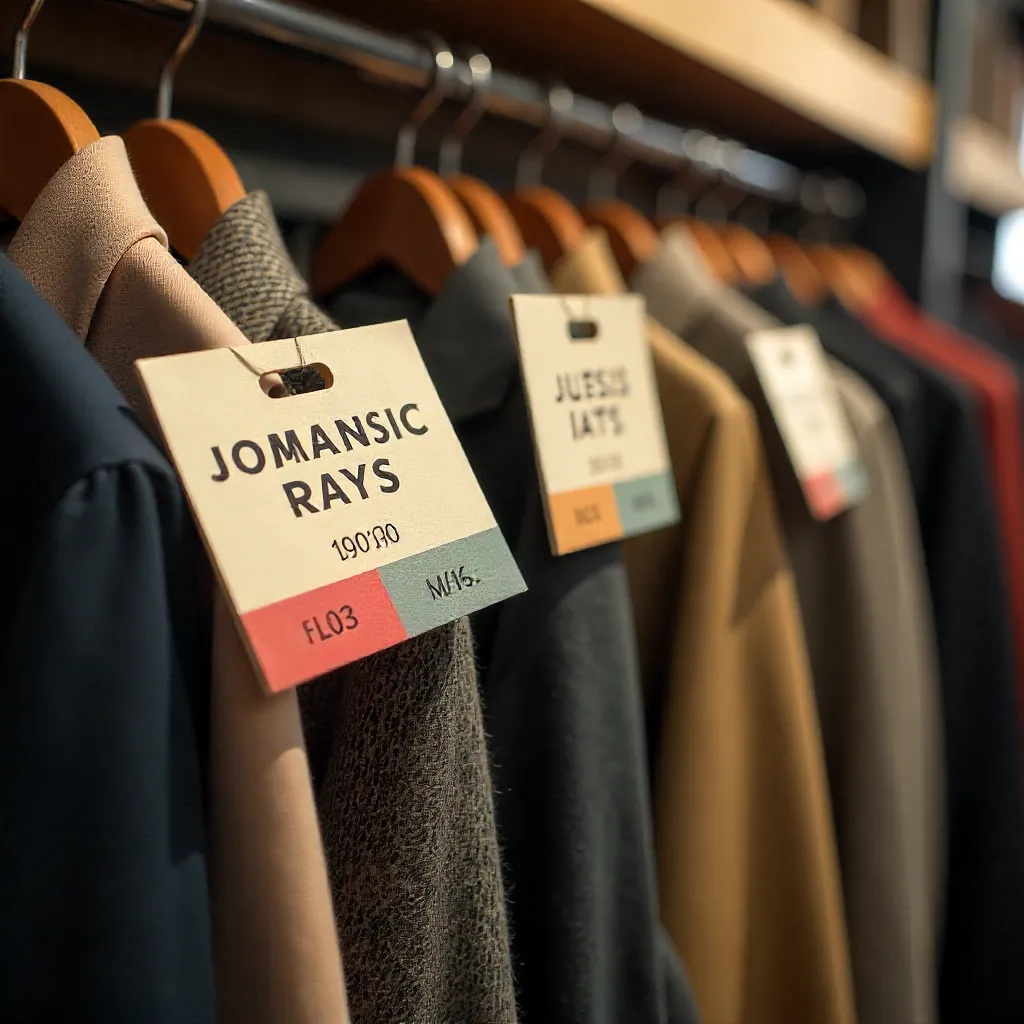
Each vintage piece receives detailed condition documentation including photographs of construction details, existing wear patterns, and material composition analysis.

Specialized Storage

Historical garments are stored in custom containers with additional protective layers and climate monitoring to ensure optimal preservation conditions.

Documentation

Original construction details, fabric analysis, and care history are recorded in the digital catalogue for future reference and maintenance planning.

Storage Material Standards

Acid-Free Protection Systems

All storage materials meet archival standards for long-term preservation. Containers are breathable, acid-free, and designed to prevent environmental damage while maintaining fabric quality.

Inquire About Standards